 英语
英语 西班牙语
西班牙语 德语
德语Branchennachrichten


Kontakt aufnehmen
+86-0523-83274900
+86-151 9064 3365
Inhalt
Machino-Kupplungen werden hauptsächlich für den schnellen, werkzeuglosen Anschluss von Feuerwehrschläuchen, Feuerlöschpumpen, Wasserpistolen und anderen Feuerlöschgeräten verwendet. Basierend auf einer Einsteck-Schnappverbindung mit Bajonett-Verriegelungsmechanismus ermöglichen sie es Feuerwehrleuten, Schlauchabschnitte und Geräte innerhalb von Sekunden zu verbinden oder zu trennen – eine Fähigkeit, die die Reaktionszeit im Notfall direkt verkürzt und den Unterschied zwischen der frühzeitigen Eindämmung eines Feuers und der Ausbreitung des Feuers ausmachen kann. Machino-Kupplungen finden sich weltweit in Feuerwehrfahrzeugen, Hydrantensystemen, tragbaren Pumpen und Löschdüsen in kommunalen, industriellen und anlagenbasierten Brandschutznetzwerken.
Eine Machino-Kupplung ist ein standardisiertes Feuerlöschschlauch-Kupplungssystem, das auf einem Bajonett-Rastverbindungsmechanismus basiert. Im Gegensatz zu Gewindekupplungen, die zum Anziehen eine Drehung erfordern, oder zu Kupplungen, die zum Befestigen Werkzeuge oder Schlüsselflächen benötigen, funktioniert die Machino-Konstruktion durch einen Druck- und Drehvorgang: Eine Hälfte der Kupplung wird in die andere eingeführt und ein kurzes Stück gedreht – normalerweise etwa 45 bis 90 Grad –, bis die Bajonettnasen in den entsprechenden Schlitzen einrasten. Anschließend wird die Verbindung unter Wasserdruck abgedichtet und durch die gleiche Bewegung in umgekehrter Richtung wieder gelöst.
Dieser Mechanismus bietet mehrere entscheidende funktionale Vorteile im Kontext der Brandbekämpfung. Die Verbindungen können mit einer Hand in weniger als fünf Sekunden hergestellt werden, selbst wenn man Feuerwehrhandschuhe trägt. Die Kupplung ist nicht auf den Gewindeeingriff angewiesen, was bedeutet, dass sie weniger anfällig für Verkanten, Blockieren durch Fremdkörper oder Festfressen aufgrund von Korrosion ist. Eine in der Buchse sitzende Gummidichtung sorgt für die wasserdichte Abdichtung, und die Bajonett-Verriegelungsnasen verhindern, dass sich die Kupplung unter dem hohen dynamischen Druck, der von Feuerlöschpumpen erzeugt wird, löst.
Das Machino-Kupplungssystem ist in Asien und anderen Regionen weit verbreitet als nationaler oder regionaler Standard für die Brandbekämpfungsinfrastruktur. Durch die dimensionale Standardisierung wird sichergestellt, dass Geräte verschiedener Hersteller am Brandort miteinander verbunden werden können – eine entscheidende Anforderung, wenn mehrere Einheiten oder Behörden auf einen einzelnen Vorfall reagieren.
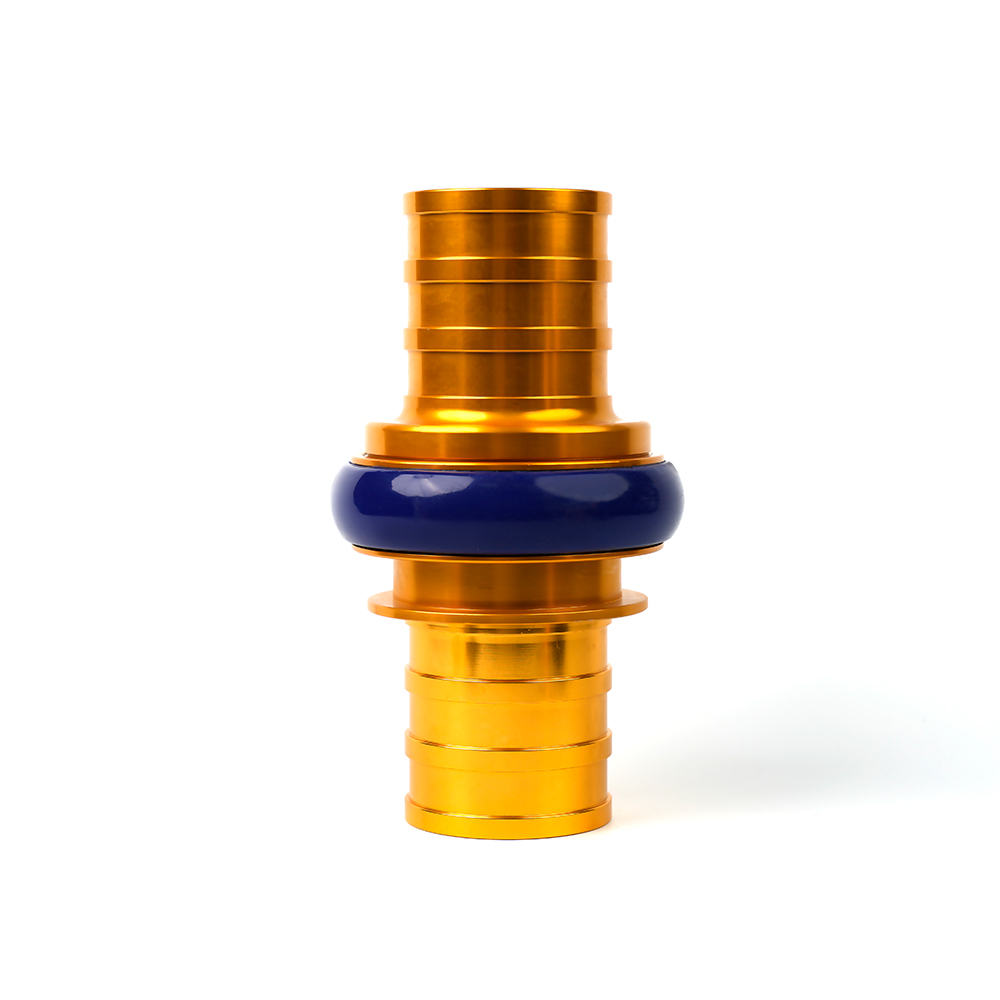
Machino-Kupplungen dienen als universelle Verbindungsschnittstelle für nahezu alle Komponenten einer mobilen Brandbekämpfungsanlage. Ihre Anwendungen erstrecken sich über die gesamte Wasserversorgungskette, von der Versorgungsquelle über das Schlauchnetz bis zur Entnahmestelle.
Die grundlegendste Verwendung von Machino-Kupplungen besteht darin, einzelne Feuerwehrschlauchlängen Ende an Ende zu verbinden, um die Reichweite von einer Wasserquelle bis zum Brandort zu vergrößern. Jeder Schlauchabschnitt – normalerweise 20 Meter lang – ist an jedem Ende mit einer Machino-Kupplung ausgestattet, einem männlichen (inneren) und einem weiblichen (äußeren), sodass mehrere Abschnitte nacheinander zusammengeschnappt werden können. Bei großen Bauwerksbränden kommt es häufig vor, dass vier bis acht oder mehr Schlauchabschnitte in einer einzigen Lage verbunden werden, sodass jede Kupplung unter anhaltenden Drücken, die bis zu 100 °C betragen können, zuverlässig funktionieren muss 1,2 MPa oder höher abhängig von der Pumpen- und Anlagenkonstruktion.
Die Auslässe von Feuerlöschpumpen an Geräten und tragbaren Pumpen sind mit Machino-kompatiblen Anschlüssen ausgestattet, sodass Saug- und Druckschläuche während des Einsatzes schnell angeschlossen werden können. Wenn ein Feuerwehrauto am Einsatzort ankommt, ist die Zeit vom Anhalten bis zum Wasserfluss durch die Schlauchleitung ein entscheidender Leistungsindikator. Machino-Kupplungen ermöglichen den Anschluss des Abflussschlauchs in weniger als 10 Sekunden pro Kupplung Dies trägt direkt zu einer schnelleren Einleitung der Unterdrückung bei. Die Möglichkeit, die Kupplung mit einer Hand zu betätigen, ermöglicht es Feuerwehrleuten, Schläuche anzuschließen und gleichzeitig andere Geräte zu verwalten oder Personal zu leiten.
Am Austrittsende der Schlauchleitung bilden Machino-Kupplungen die Schnittstelle zwischen Schlauch und Wasserpistole (Düse oder Abzweigrohr). Angriffsdüsen, Schaumrohre und Wasserpistolen mit mehreren Mustern sind alle in Machino-gekoppelten Konfigurationen erhältlich. Diese Standardisierung bedeutet, dass verschiedene Düsentypen am Angriffspunkt schnell ausgetauscht werden können – beispielsweise der Wechsel von einer Düse mit gerader Bohrung zu einem schaumerzeugenden Abzweigrohr beim Übergang von einem Gebäudebrand zu einem Vorfall mit brennbaren Flüssigkeiten – ohne Werkzeug und ohne Unterbrechung der Wasserversorgung für mehr als ein paar Sekunden.
Hydranten, Standrohrsysteme und feste Löschanlagen in Gebäuden und Industrieanlagen sind häufig mit Machino-kompatiblen Steckdosen ausgestattet. Dadurch können Feuerwehrschläuche direkt an die Festwasserversorgung des Gebäudes angeschlossen werden, ohne dass Adapteranschlüsse erforderlich sind, was die Komplexität und die Anschlusszeit in den kritischen ersten Minuten eines Einsatzes reduziert. Bei der Brandbekämpfung in Hochhäusern, wo die Standrohrschläuche auf jeder Etage von Feuerwehrleuten, die in rauchgefüllten Treppenhäusern arbeiten, schnell hergestellt werden müssen, ist die einfache Verriegelung der Machino-Kupplung ein erheblicher Betriebsvorteil.
Die Produktfamilie der Machino-Kupplungen umfasst mehrere unterschiedliche Komponententypen, die jeweils eine bestimmte Rolle innerhalb des Feuerlöschschlauch- und Ausrüstungsverbindungssystems erfüllen. Das Verständnis dieser Varianten hilft bei der Spezifizierung des richtigen Produkts für eine bestimmte Anwendung.
| Kupplungstyp | Beschreibung | Primäre Verwendung |
|---|---|---|
| Machino-Feuerwehrschlauchkupplung – gezahntes Endstück | Das hintere Ende hat ein gezahntes Profil (mit Widerhaken) zur Schlauchbefestigung. mit einer Schelle gesichert | Anbringen der Machino-Kupplung an einem Gummi- oder Kunststoff-Feuerwehrschlauch |
| Machino-Feuerschlauchkupplung – geripptes Endstück | Das Schwanzende hat ein geripptes (glatt geriffeltes) Profil; für bestimmte Schlauchkonstruktionen geeignet | Anbringen der Machino-Kupplung an einem geflochtenen oder ausgekleideten Feuerwehrschlauch |
| Außenrohr-Gewindekupplung | Machino-Buchse an einem Ende; Rohraußengewinde andererseits | Anschließen von Machino-Schläuchen an Pumpenausgänge mit Gewinde, Hydrantenanschlüsse oder Standrohranschlüsse |
| Innenrohr-Gewindekupplung | Machino-Öse an einem Ende; Rohrinnengewinde andererseits | Anschließen von Machino-Schläuchen an Geräte und Armaturen mit Innengewinde |
| Männliche Mütze | Schutzkappe, die über das männliche (innere) Kupplungsende passt | Schützt die Kupplungsfläche und die Dichtung vor Beschädigung und Verschmutzung während der Lagerung |
| Weibliche Kappe | Schutzkappe, die über die weibliche (äußere) Kupplungsdose passt | Versiegelt das Muffenende gegen Schmutz, UV-Strahlung und physische Schäden bei Lagerung und Transport |
Die Unterscheidung zwischen gezahnten und gerippten Enden hängt von der Kompatibilität der Schlauchkonstruktion ab. Gezackte Schwanzenden verfügen über ein Widerhaken- oder Zahnprofil, das sich beim Anbringen einer Klemme in die Innenseele des Schlauchs einschneidet und so für einen äußerst sicheren mechanischen Halt sorgt. Sie werden typischerweise bei Schläuchen mit gewebter Ummantelung aus Gummi verwendet, bei denen die Klemme den Schlauchmantel um die Verzahnungen herum zusammendrücken kann. Gerippte Enden haben ein glatteres, regelmäßig geriffeltes Profil und eignen sich besser für synthetische oder thermoplastische Schläuche, bei denen eine dichte, gleichmäßige Abdichtung erforderlich ist, ohne dass die Gefahr besteht, dass die Verzahnungen eine dünnere Schlauchwand beschädigen. Die Auswahl des falschen Endprofils für einen bestimmten Schlauchtyp kann dazu führen, dass die Kupplung unter Druck abplatzt – ein ernstes Sicherheitsrisiko am Brandort.
Während Machino-Kupplungen ihren Ursprung in der Brandbekämpfung haben und dort am häufigsten eingesetzt werden, sind sie aufgrund ihrer zuverlässigen Schnappverbindungskonstruktion und Druckfestigkeit auch in mehreren anderen Bereichen einsetzbar, in denen eine schnelle Schlauchverbindung eine betriebliche Priorität hat.
Kommunale Feuerwehren stellen die größte Anwenderbasis für Machino-Kupplungen dar. Alle Pumpgeräte, Hebebühnen und Schnelleinsatzfahrzeuge in Regionen mit Machino-Standard sind mit Schläuchen ausgestattet, die mit diesen Kupplungen ausgestattet sind, und alle Hydrantenanschlüsse, Standrohrauslässe und Feuerlöschpumpen-Auslassöffnungen sind maßlich kompatibel. Durch die Standardisierung im gesamten kommunalen Fuhrpark können die Schläuche jedes Fahrzeugs mit der Ausrüstung jedes anderen Fahrzeugs verbunden werden Dies ermöglicht einen flexiblen Einsatz mehrerer Einheiten bei Großereignissen ohne Kompatibilitätsprobleme.
Petrochemische Anlagen, Produktionsstätten, Kraftwerke und große Lagerkomplexe unterhalten vor Ort Feuerwehren und eine feste Brandschutzinfrastruktur. Machino-Kupplungen werden zum Verbinden von Schlauchaufrollern, Überwachungsdüsen, Schaumsystemen und tragbaren Löschgeräten in diesen Umgebungen verwendet. Industrielle Brandschutzsysteme müssen in der Lage sein, sehr hohe Durchflussraten zu liefern – in einigen Anlagen mehr als 3.000 Liter pro Minute – Es sind Kupplungen erforderlich, die für eine kontinuierliche Leistung bei hohem Druck und hohem Durchfluss ausgelegt sind. Dank des robusten Verriegelungsmechanismus und des Durchflusswegs mit vollem Durchgang (der den Druckverlust durch die Kupplung minimiert) ist das Machino-System gut für diese anspruchsvollen Anwendungen geeignet.
CFR-Fahrzeuge (Crash Fire Rescue) und Flughafenfeuerwehren verwenden Machino-Kupplungen aus den gleichen Gründen wie kommunale Feuerwehren: Geschwindigkeit und Zuverlässigkeit. Flugzeugbrände entwickeln sich aufgrund der hohen Energiedichte des Flugtreibstoffs extrem schnell, sodass die beim Einsatz des Schlauchs eingesparten Sekunden lebenswichtig sind. Flughafenfeuerwehren in Machino-Standardregionen statten ihre speziellen ARFF-Fahrzeuge (Aircraft Rescue and Firefighting) mit Machino-kompatiblen Schaum- und Wasserschlauchsystemen aus.
Hafenanlagen und Schiffe, die in Machino-Standardregionen operieren, statten Feuerlöschschlauchsysteme mit kompatiblen Kupplungen aus, sodass Feuerwehren an Land ohne Adapteranschlüsse an Bordsysteme (und umgekehrt) angeschlossen werden können. Diese Interoperabilität ist in Hafenbrandszenarien von entscheidender Bedeutung, wenn sowohl die schiffseigene Brandbekämpfungsmannschaft als auch die an Land stationierten Einsatzkräfte gleichzeitig von verschiedenen Versorgungspunkten aus einen Brand bekämpfen können.
Schlauchaufroller und Nass-/Trocken-Steigauslässe in Gewerbegebäuden, Wohntürmen, Hotels, Krankenhäusern und Einkaufszentren sind in Regionen, in denen dieser Standard gilt, üblicherweise mit Machino-kompatiblen Anschlüssen ausgestattet. Gebäudenutzer und Ersthelfer können diese Systeme mit standardmäßigen Machino-Schläuchen von Feuerwehrgeräten oder mit Schlauchaufrollern verwenden, die auf jeder Etage gelagert sind. Diese Integration zwischen mobilen und stationären Systemen schafft ein nahtloses, kompatibles Brandschutznetzwerk über die gesamte bebaute Umgebung.
Die weitverbreitete Einführung von Machino-Kupplungen in der Brandbekämpfung und verwandten Branchen wird durch eine Reihe messbarer, betrieblich bedeutsamer Leistungsmerkmale vorangetrieben, die sie von älteren oder alternativen Kupplungskonstruktionen unterscheiden.
Machino-Kupplungen werden in verschiedenen Größen hergestellt, die den Standarddurchmessern von Feuerwehrschläuchen entsprechen. Die Auswahl der richtigen Kupplungsgröße für einen bestimmten Schlauch und eine bestimmte Anwendung ist sowohl für die hydraulische Leistung als auch für die mechanische Kompatibilität von entscheidender Bedeutung.
| Kupplungsgröße (DN) | Nennschlauchdurchmesser | Typische Anwendung | Gemeinsames Material |
|---|---|---|---|
| DN25 | 25 mm (1 Zoll) | Bau von Schlauchaufrollern, Erste-Hilfe-Schlauchleitungen | Aluminiumlegierung / Messing |
| DN40 | 40 mm (1,5 Zoll) | Leichte Angriffsschlauchleitungen, Standrohranschlüsse | Aluminiumlegierung / Messing |
| DN65 | 65 mm (2,5 Zoll) | Hauptangriffsschlauchleitungen, Feuerwehrautoentladung, Hydrantenanschlüsse | Aluminiumlegierung / Messing |
| DN80 | 80 mm (3 Zoll) | Versorgungsleitungen mit hohem Durchfluss, Relaisschlauch mit großem Durchmesser | Aluminiumlegierung |
| DN100 | 100 mm (4 Zoll) | Versorgungsleitungen mit großem Durchmesser, industrielle Brandschutzsysteme, Tankwagen-zu-Pumpen-Versorgung | Aluminiumlegierung |
Die Die Größe DN65 wird am häufigsten verwendet im kommunalen Feuerwehreinsatz, da es die Durchflusskapazität, das handliche Schlauchgewicht und die Kompatibilität mit Standard-Feuerlöschpumpenausgängen in Einklang bringt. DN100-Kupplungen sind in der Regel für Versorgungsbetriebe mit großem Durchmesser reserviert, bei denen die Maximierung des Wasservolumens von einem Hydranten oder Tankwagen zu einer Pumpe im Vordergrund steht.
Machino-Kupplungen erfordern eine regelmäßige Inspektion und grundlegende Wartung, um sicherzustellen, dass sie bei Bedarf zuverlässig funktionieren. Da Feuerlöschgeräte längere Zeit ungenutzt bleiben können, bevor sie in einem Notfall mit hoher Belastung zum Einsatz kommen, ist eine proaktive Wartung unerlässlich.
Machino-Kupplungen aus Aluminiumlegierung können bei ordnungsgemäßer Wartung und Lagerung eine Lebensdauer von erreichen 10 Jahre oder mehr bei normalem Feuerwehreinsatz. Messingkupplungen sind von Natur aus korrosionsbeständiger und können in feuchter oder mariner Umgebung länger halten, obwohl sie schwerer sind. Zu den Faktoren, die den Verschleiß oder die Beschädigung der Kupplung beschleunigen, gehören: Kontakt mit Meerwasser ohne Spülen nach dem Gebrauch, physische Stöße gegen harte Oberflächen während des Trainings oder Einsatzes und Lagerung in Umgebungen mit hoher UV-Strahlung (die Gummidichtungen schneller abbauen). Die meisten Instandhaltungsstandards der Feuerwehr empfehlen dies jährliche Druckprüfung von Schlauchleitungen , das auch die Kopplungsintegrität unter Betriebsbedingungen überprüft.
Weltweit werden verschiedene Feuerwehrschlauchkupplungssysteme verwendet. Wenn man versteht, wie Machino-Kupplungen im Vergleich zu alternativen Konstruktionen abschneiden, wird klar, warum sie in bestimmten Anwendungen und Regionen bevorzugt werden.
| Kupplungstyp | Verbindungsmethode | Verbindungsgeschwindigkeit | Erforderliche Werkzeuge | Gemeinsame Regionen |
|---|---|---|---|---|
| Machino (Bajonett) | Einsetzen und ca. 45–90° drehen | Sehr schnell (unter 5 Sek.) | Keine | Asien, Naher Osten, Afrika |
| Storz (symmetrisch) | Richten Sie die Laschen aus und drehen Sie sie um ca. 180° | Schnell (5–10 Sek.) | Keine | Europa, Australien, Nordamerika |
| BSP/NPT-Gewinde | Zusammenschrauben (mehrere Umdrehungen) | Langsam (15–30 Sek.) | Wird oft benötigt | Weit verbreitet in Sanitär-/festinstallierten Systemen |
| Pin Lug (sofort) | Laschen ausrichten und drehen | Schnell | Keine | Großbritannien, Commonwealth-Länder |
Die Machino coupling's primary competitive advantage over threaded connections is speed; its advantage over the Storz system is the shorter rotation angle required to lock (roughly half that of a Storz), which can be significant when making connections in confined spaces, at awkward angles, or under physical stress. Where a fire service or facility has standardized on Machino couplings, maintaining that standard throughout the equipment inventory maximizes operational interoperability and eliminates the need for adapter fittings that add complexity and potential failure points.
Da es sich bei Machino-Kupplungen um sicherheitskritische Komponenten handelt, die bei Rettungseinsätzen zum Einsatz kommen, sind Qualitätsstandards und Zertifizierung grundlegende Anforderungen und keine optionalen Attribute. Kupplungen, die in Brandschutzsystemen verwendet werden, müssen Maß-, Druck- und Materialstandards erfüllen, die eine zuverlässige Leistung über ihre gesamte Lebensdauer gewährleisten.
In China unterliegen Brandschutzausrüstung einschließlich Feuerlöschschlauchkupplungen einer obligatorischen Qualitätsüberwachung durch das Nationales Qualitätsüberwachungs- und Inspektionszentrum für Feuerausrüstung , das Inspektionsberichte herausgibt, die bestätigen, dass Produkte den nationalen Standards entsprechen. Von Herstellern von Brandschutzausrüstung wird erwartet, dass sie über entsprechende Zertifizierungen von Qualitätssicherungssystemen verfügen – ISO 9001 ist der international anerkannte Standard für Qualitätsmanagementsysteme, der den gesamten Produktionsprozess vom Design und der Rohstoffbeschaffung bis hin zur Fertigung, Inspektion und Lieferung abdeckt.
Unternehmen wie z.B Jiangsu Jinding Brandschutztechnologie Co., Ltd. Das 1998 gegründete Unternehmen mit Sitz in der Wirtschaftsentwicklungszone Jiangsu Xinghua ist ein Beispiel für die Art von integriertem Brandschutzhersteller, der Machino-Kupplungen nach diesen Qualitätsstandards herstellt. Mit der Zertifizierung des Qualitätssystems ISO 9001:2015 und der freiwilligen Produktzertifizierung sowie mit Produkten, die Inspektionsberichte vom National Fire Equipment Quality Supervision and Inspection Center erhalten haben, stellen diese Hersteller eine zuverlässige Bezugsquelle für Feuerwehrschlauchkupplungen dar, die für den Einsatz in zertifizierten Brandschutzsystemen vorgesehen sind.
Bei der Spezifikation oder Beschaffung von Machino-Kupplungen für den Brandschutzeinsatz sollten folgende Qualitätsindikatoren überprüft werden:
Bei der Auswahl der richtigen Machino-Kupplung müssen mehrere Faktoren gleichzeitig bewertet werden: Schlauchtyp und -durchmesser, Geräteanschlussschnittstelle, Betriebsdruckanforderungen, Umgebung und die geltenden örtlichen Normen.
Die Konsultation der technischen Datenblätter des Herstellers und, sofern die örtlichen Brandschutzbestimmungen dies erfordern, die Sicherstellung, dass ausgewählte Produkte die entsprechenden nationalen Zertifizierungszeichen tragen, sind die letzten wesentlichen Schritte vor der Beschaffung für den Brandschutz.
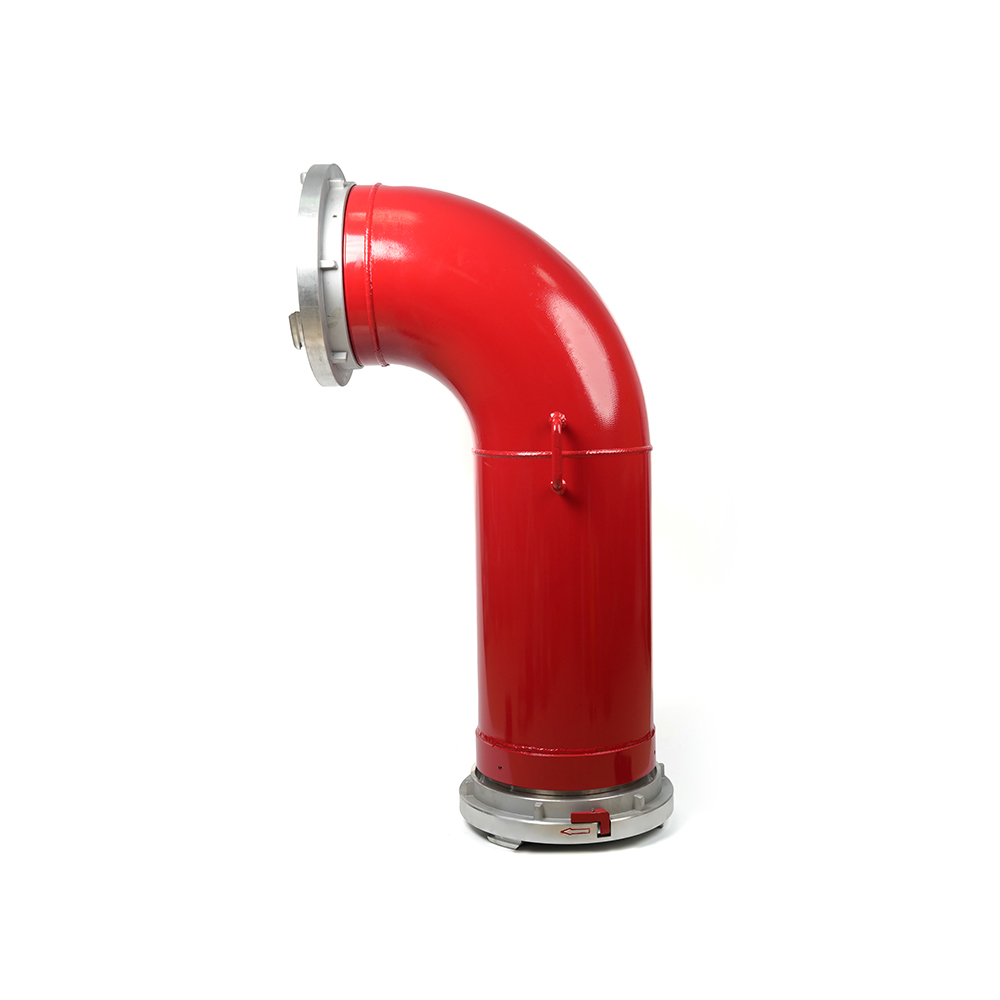 Genuteter Feuerbogen – Storz
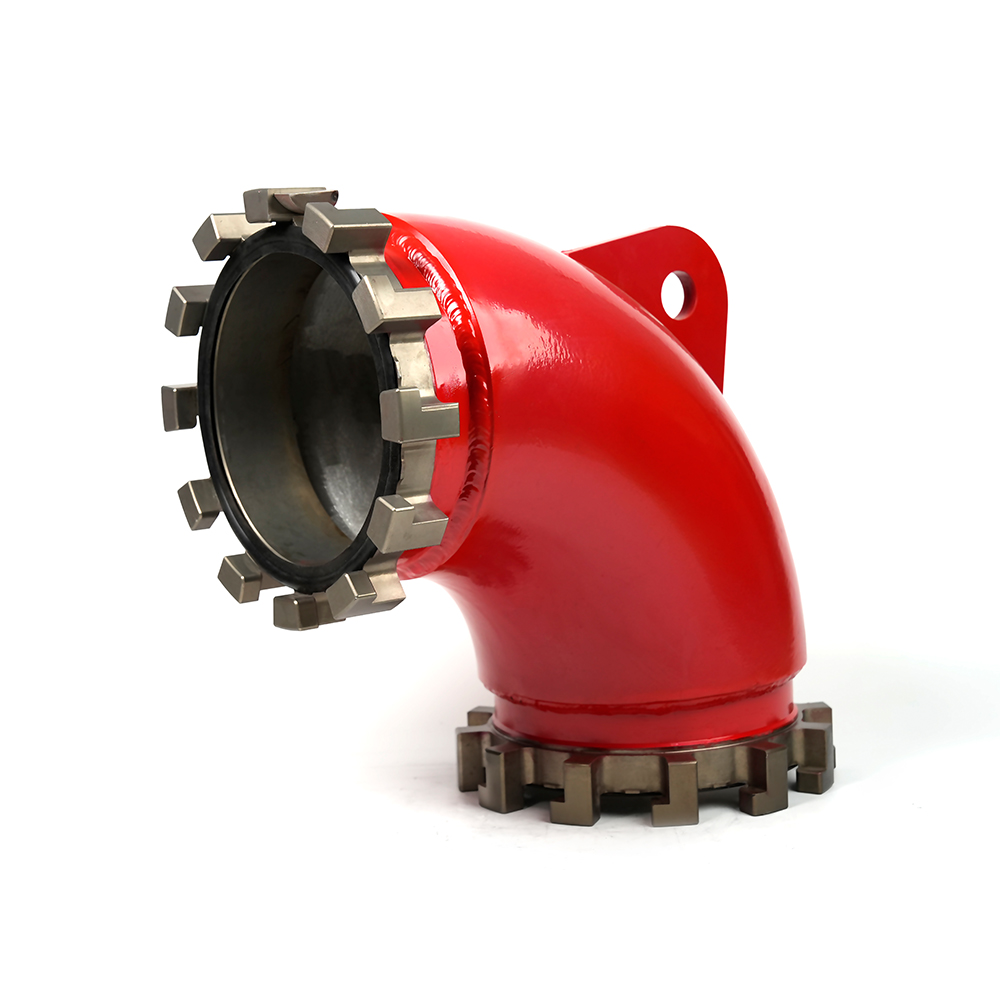 Genuteter Feuerbogen – Multi-Zahn
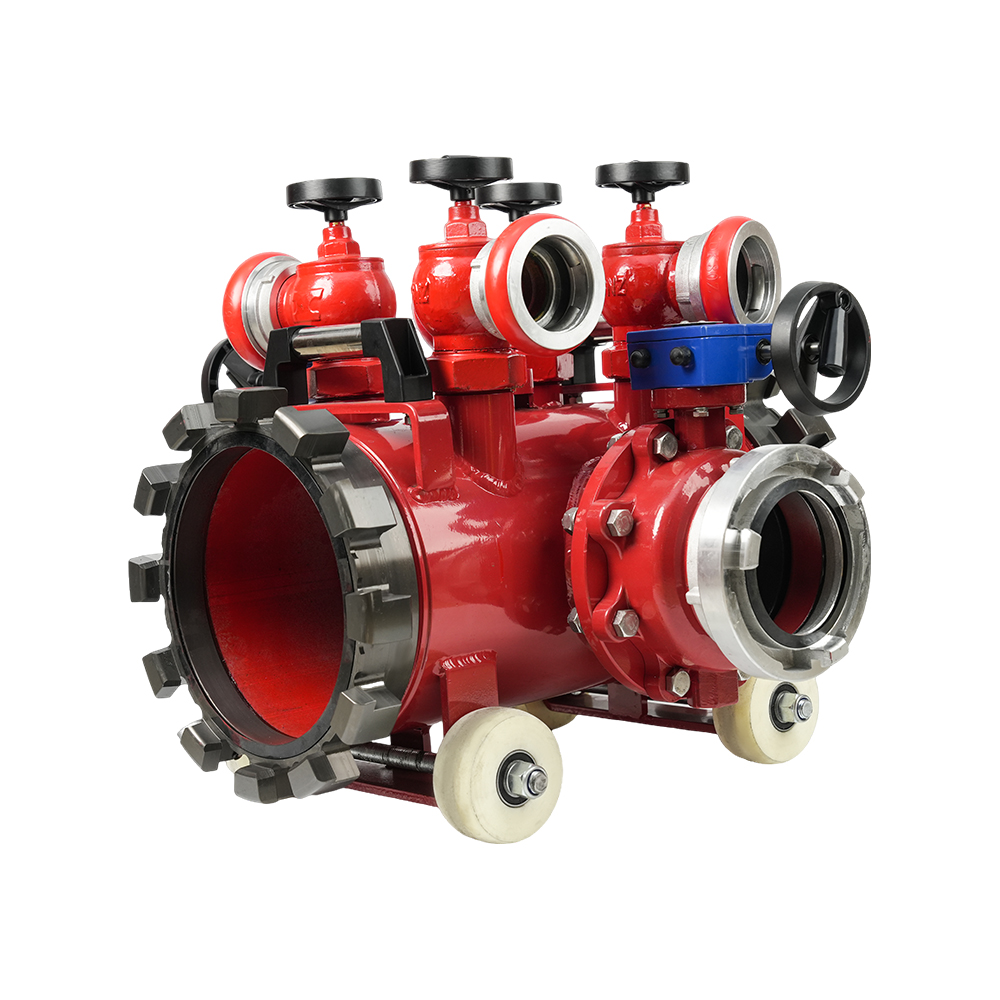 Multifunktionaler Feuerwehrschlauchverteiler
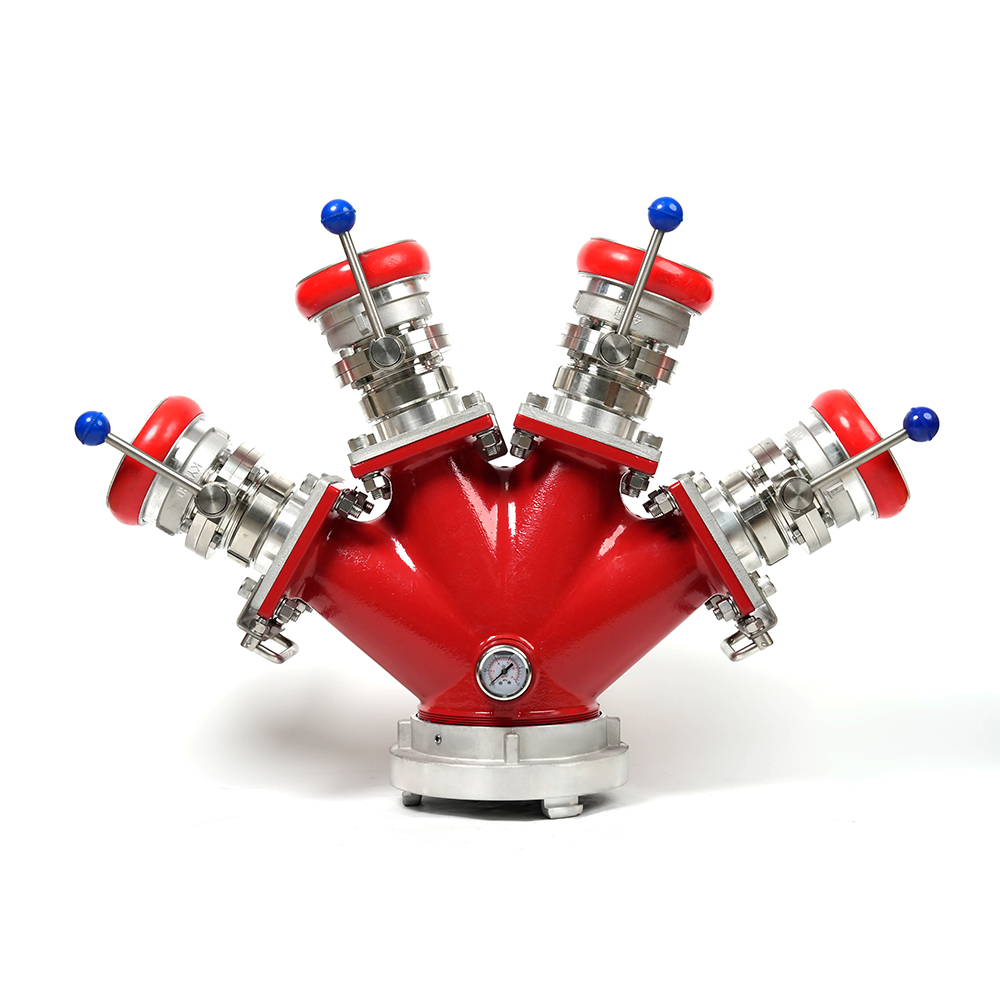 Verriegelbarer Vierwege-Feuerwehrschlauchverteiler
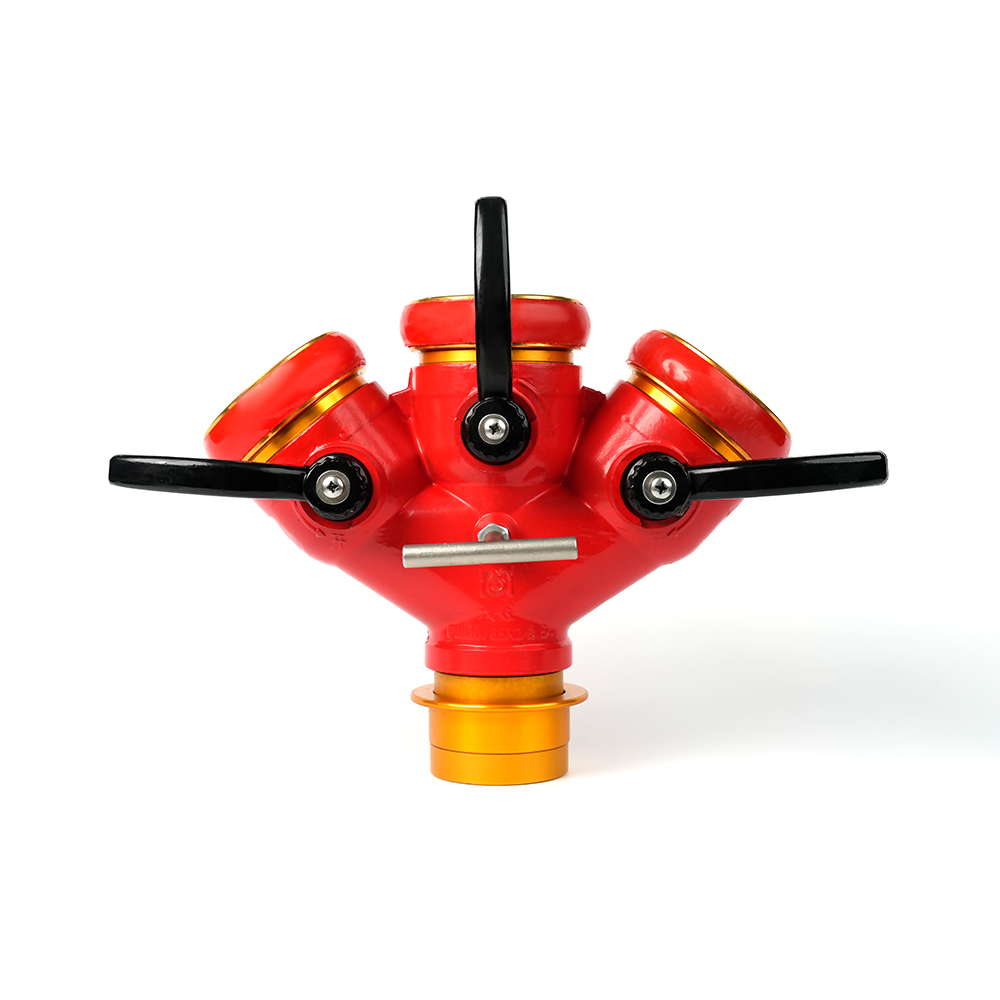 Verriegelbarer Dreiwege-Feuerwehrschlauchverteiler
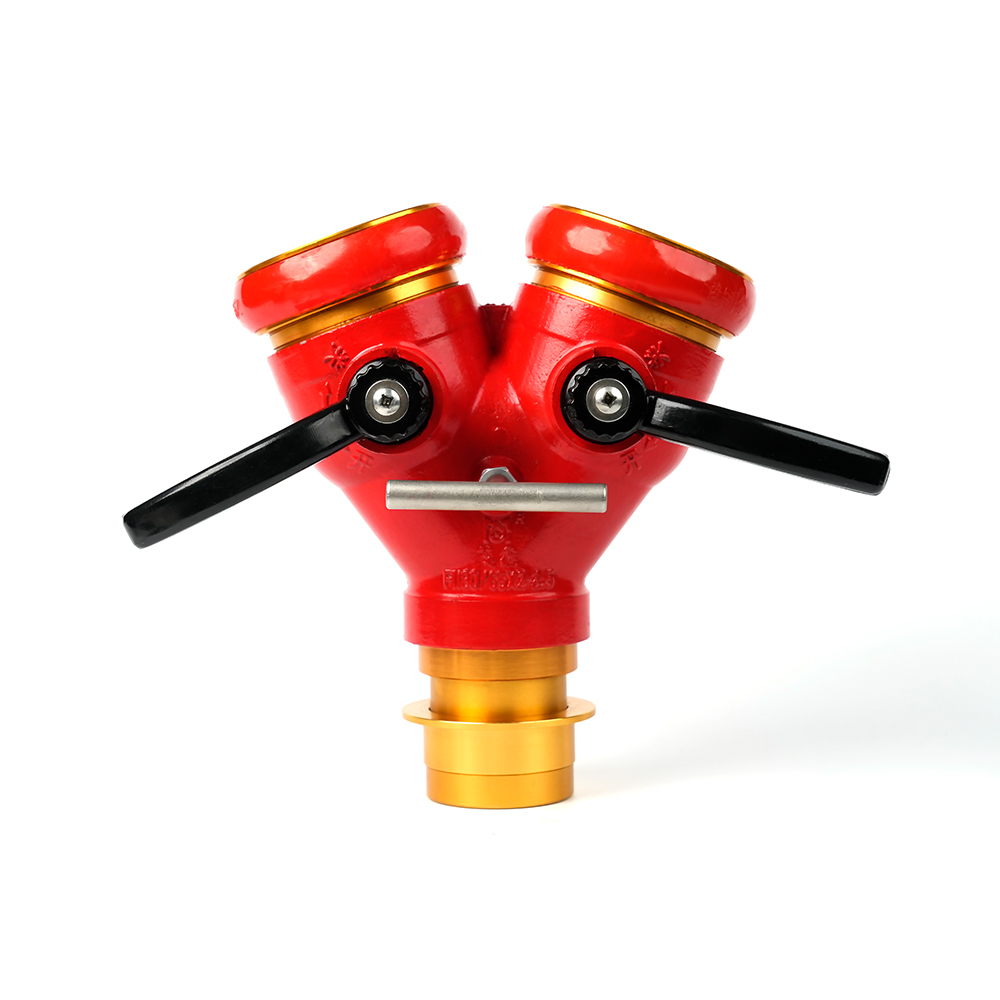 Verriegelbarer Zweiwege-Feuerwehrschlauchverteiler
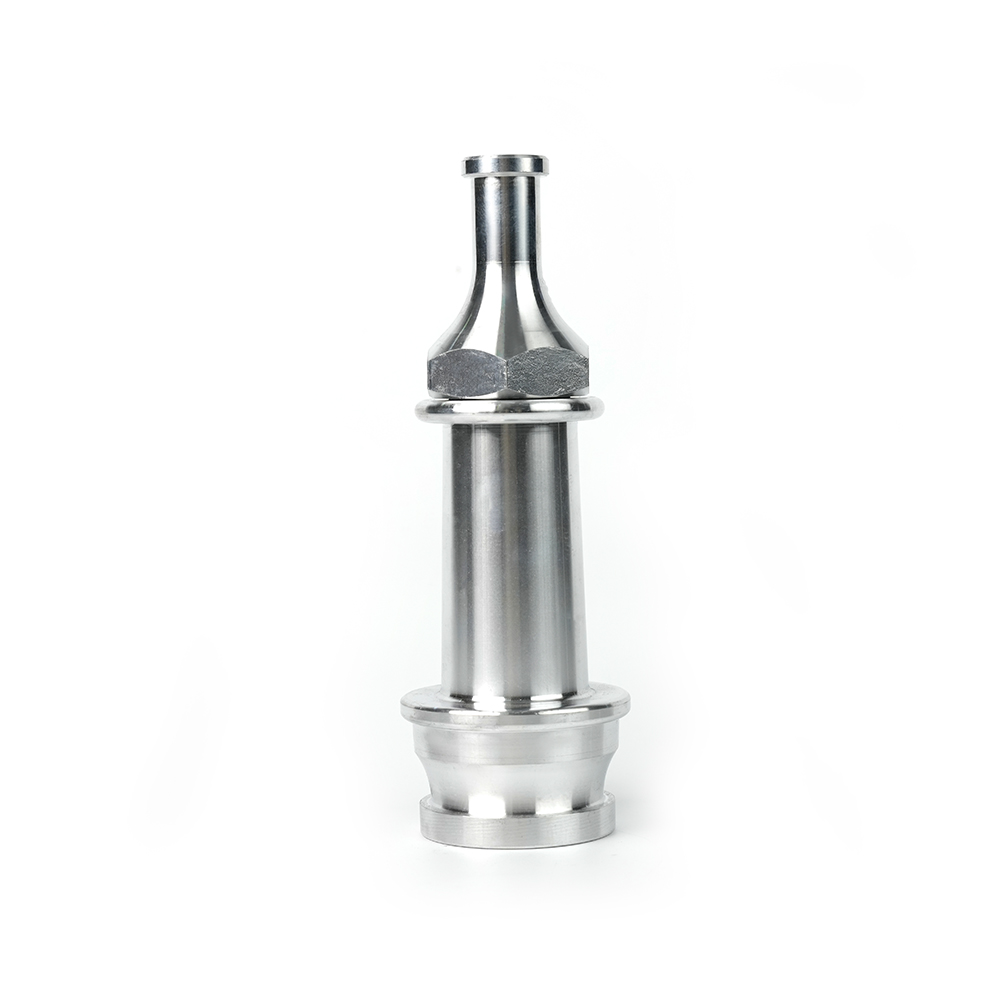 Vollstrahldüse
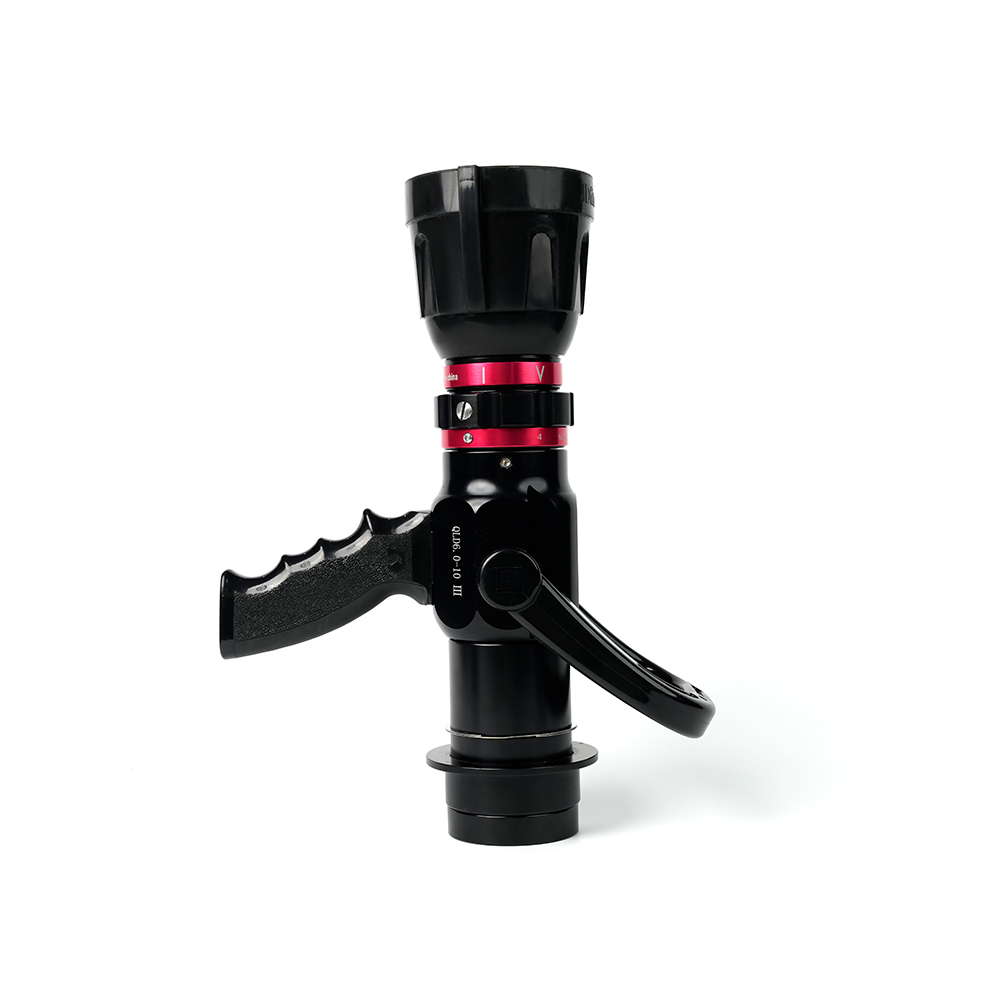 Einstellbare Düsen-Machino
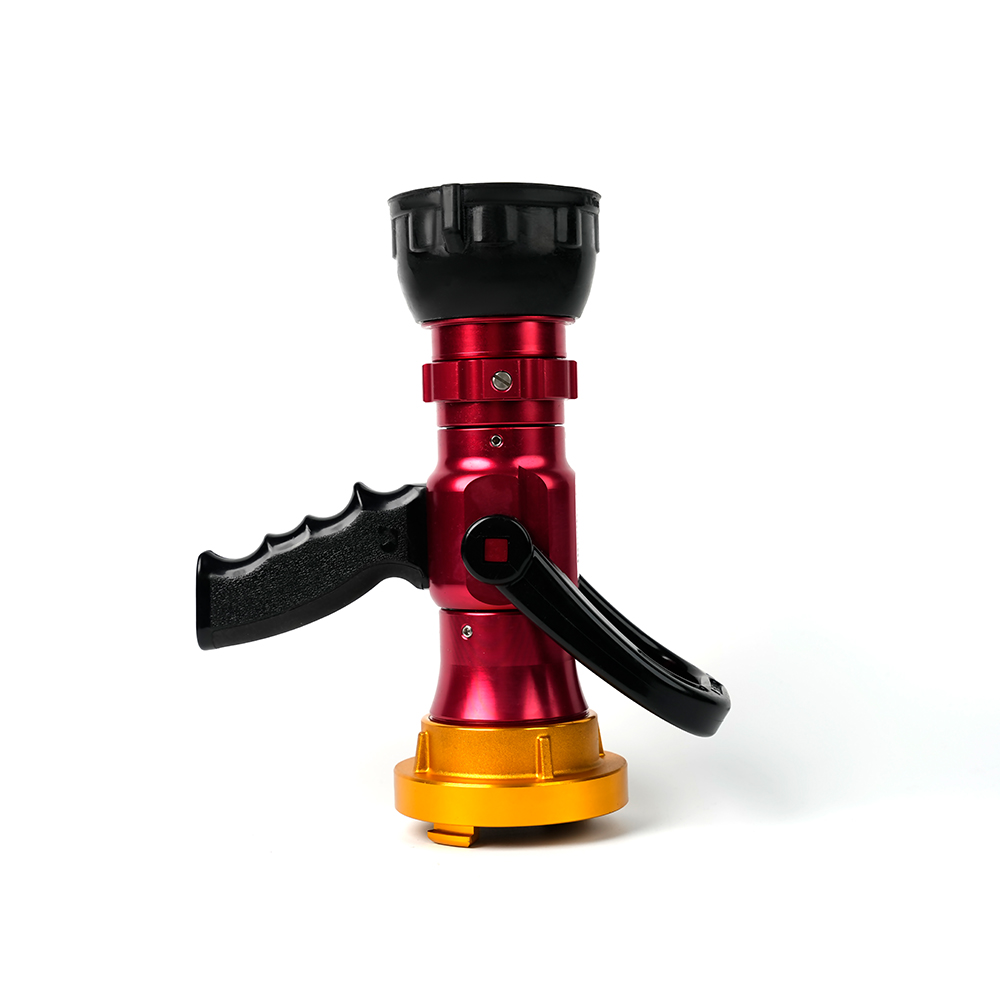 Einstellbare Düsen-Storz
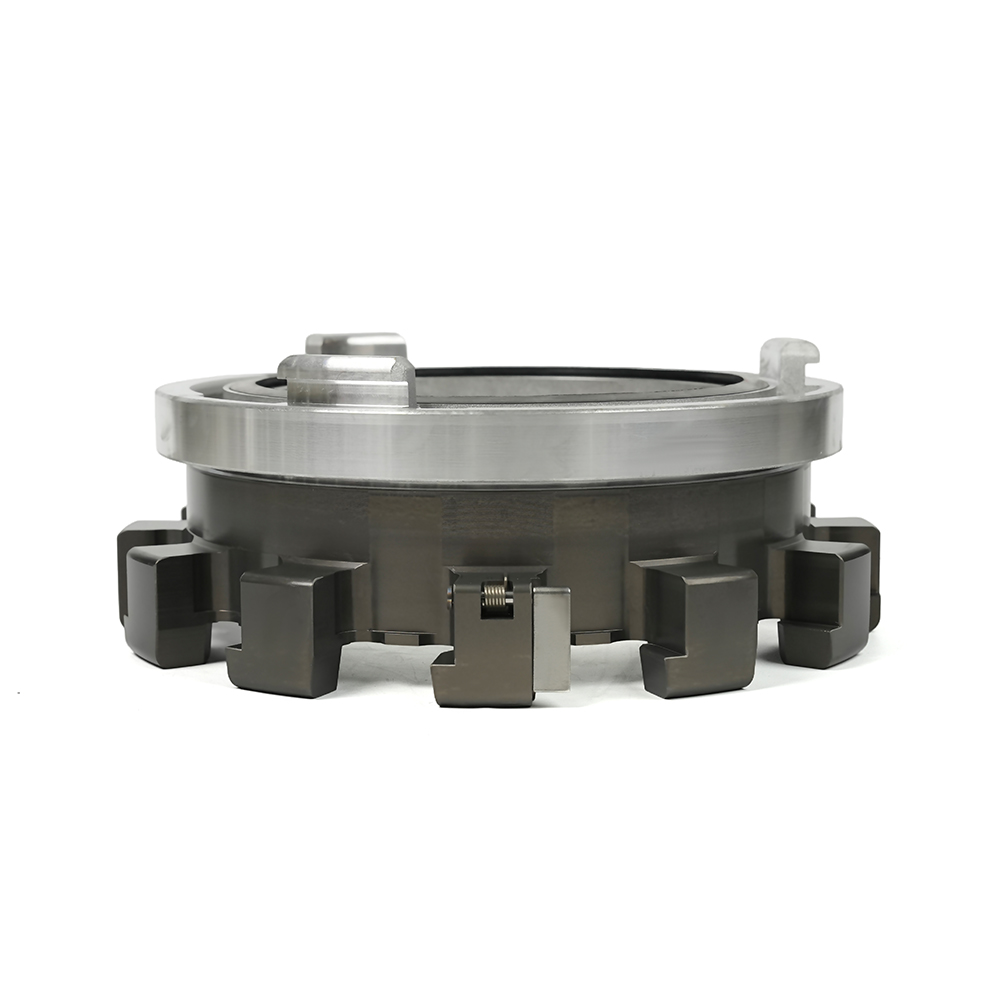 Storz - Mehrzahn
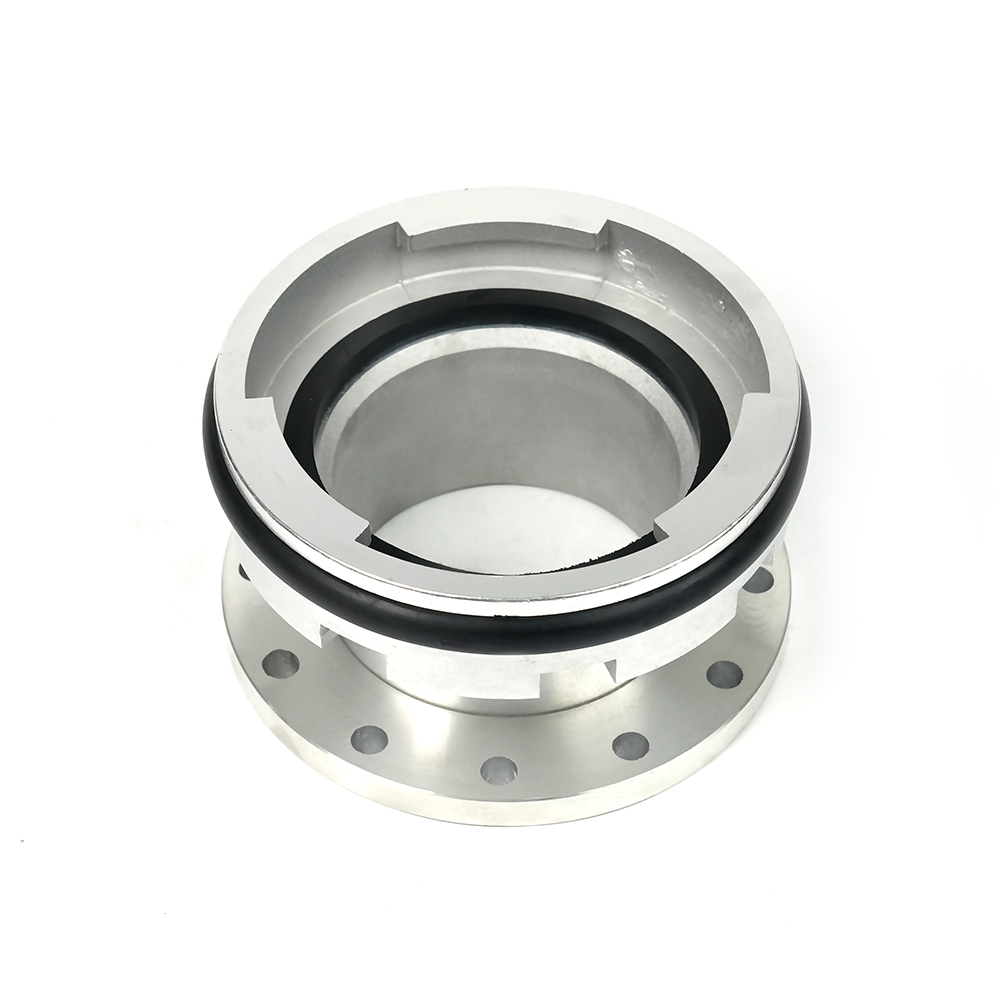 Macho - Flansch
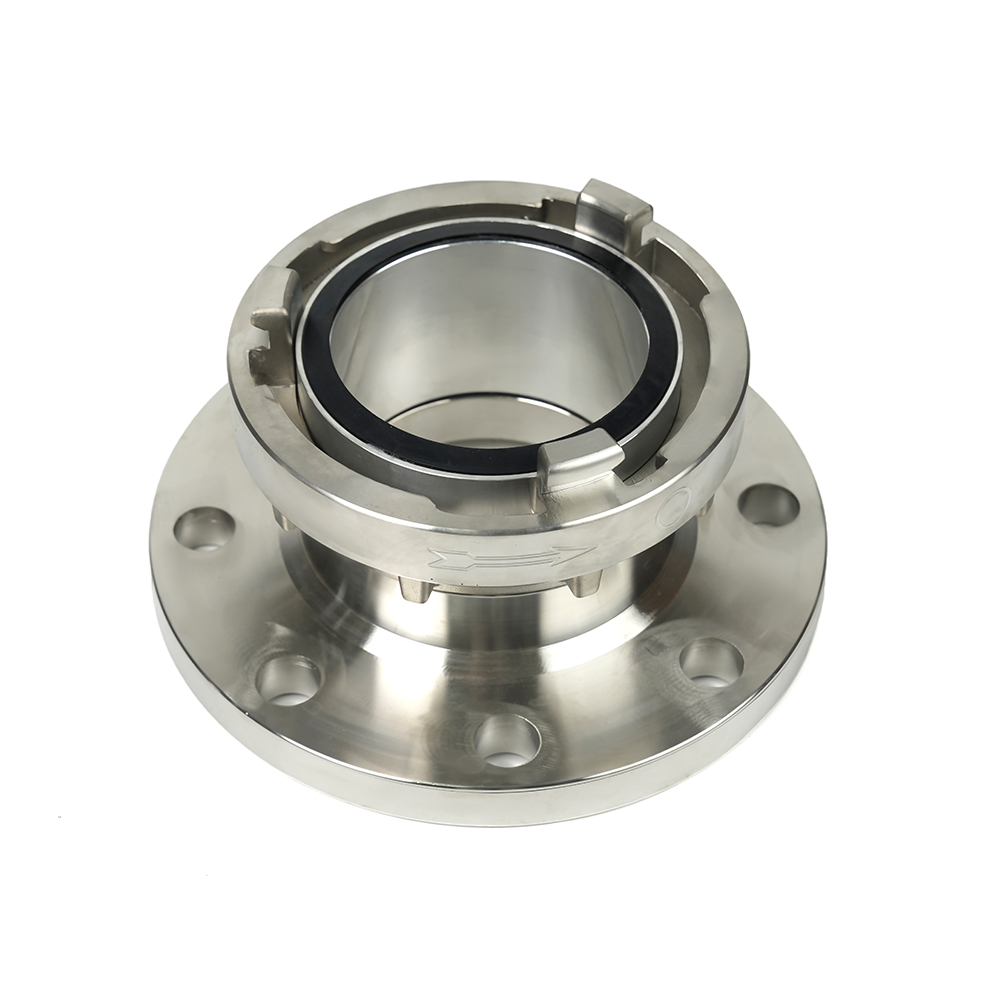 Storz - Flansch

 Kontaktnummer
+86-0523-83274900
+86-151 9064 3365
 Lassen Sie sich von unserem Team individuelle Lösungen anbieten.
 Firmenadresse
Westseite der Hongxing-Mittelstraße, Stadtbezirk Lincheng, Entwicklungszone Xinghua, Provinz Jiangsu
Urheberrecht @ Jiangsu Jinding Fire Protection Technology Co., Ltd. Alle Rechte vorbehalten
